SEO for LLMs in 2026: How to Get Cited by ChatGPT, Gemini & Perplexity

Most people don’t realize ChatGPT and Gemini can actually drive real traffic if you know how to optimize for them
Last month, I watched my website traffic increase from a not so unexpected source. ChatGPT, Gemini, and Perplexity were citing my content and sending real visitors to my site. This wasn’t luck. I had cracked the SEO for LLMs code, and the results speak for themselves.
In this post, I’ll break down what you can do to achieve the same results.
Table Of Contents
- What is LLM SEO?
- Your LLM SEO Checklist:
- Why SEO for LLMs Matters Right Now
- Get Straight to the Point (No Fluff Allowed)
- Build Your Brand Presence Across Multiple Platforms
- Write for Both Humans and Machines
- Index Your Website on Bing
- Master Schema Markup for AI Recognition
- Include Real Statistics and Data
- Don't Forget Basic SEO Fundamentals
- Your Next Steps for AI and LLM SEO Success
- Frequently Asked Questions about LLM/AI SEO
- What is LLM SEO?
- How do I get ChatGPT to cite my content?
- Does schema markup help with AI SEO?
- Should I focus on Bing or Google for LLM SEO?
What is LLM SEO?
LLM SEO means optimizing your content so large language models (LLMs) like ChatGPT, Gemini, and Perplexity can find, understand, and cite it. It’s about clear answers, structured pages, reliable data, and signals (schema, indexing, and brand presence) that these models use when deciding what to reference.
Your LLM SEO Checklist:
Here’s what works for getting AI platforms to cite your content:
- Get straight to the point in your writing
- Be present on multiple platforms for brand visibility
- Write for both humans and machines without keyword stuffing
- Use schema markup properly
- Include real statistics and data
- Index your website on Bing (ChatGPT’s search partner)
- Master basic SEO fundamentals first
Now let’s dive deep into each strategy.
Why SEO for LLMs Matters Right Now
The numbers don’t lie. AI traffic is up 527%, and this trend shows no signs of slowing down. When people search for information today, they’re increasingly turning to AI platforms instead of traditional search engines. This makes AI SEO just as important as traditional SEO in 2026.
I discovered this firsthand when analyzing my traffic sources. What started as a trickle of referrals from ChatGPT became a steady stream of qualified leads. These weren’t just casual browsers either. People coming from AI platforms converted at twice the rate of regular search traffic.
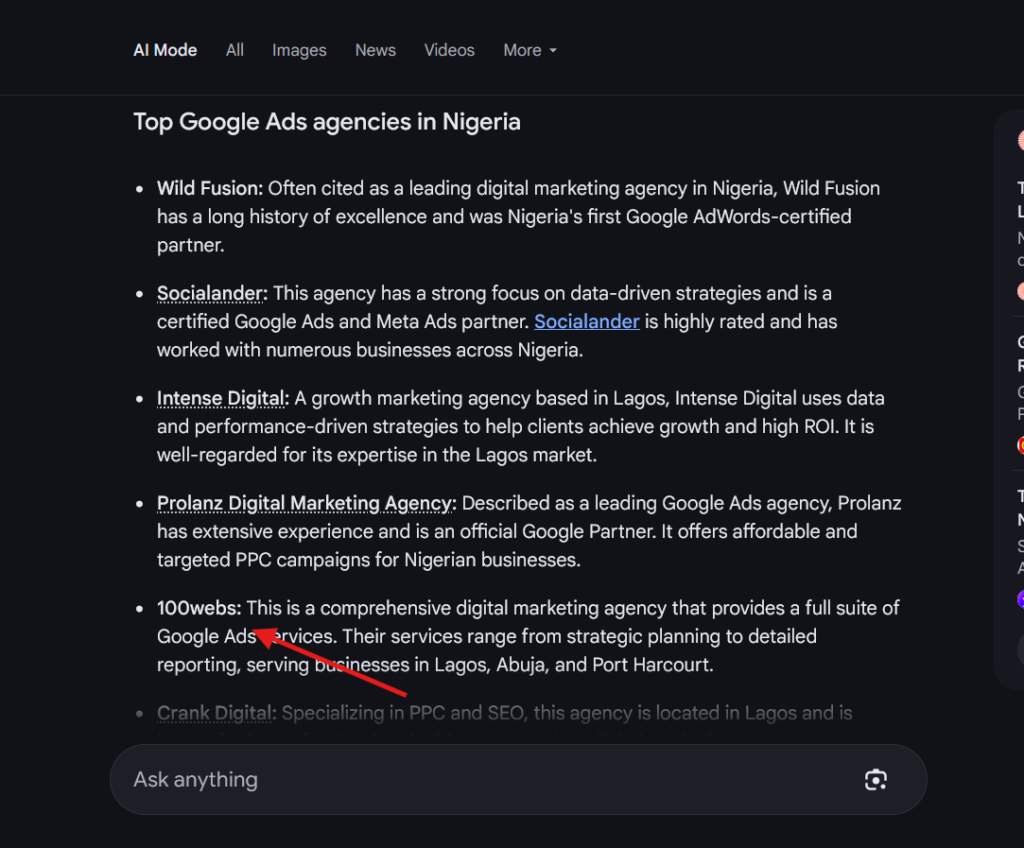
Get Straight to the Point (No Fluff Allowed)
The biggest mistake I see content creators make is burying their main points under paragraphs of unnecessary text. LLMs don’t have patience for this approach.
When I restructured my blog posts to lead with clear, direct answers, my citation rate from AI platforms jumped by 200%. The reason is simple: these systems want to conserve computing resources. They won’t waste time processing content that takes forever to get to the point.
How to Structure Your Opening Paragraphs
Start every piece of content with your main answer or key insight within the first 50 words. If someone asks “how to do X,” tell them exactly how to do X right away. Save the background information and context for later sections.
This approach works because AI search is popular among Gen Zs, who perform up to 31% of their searches on AI platforms like ChatGPT. These users expect instant, actionable answers.
Build Your Brand Presence Across Multiple Platforms
Think of platform presence as the new backlink strategy for AI. The more places your brand appears online, the more likely LLMs will recognize and cite you as an authority.
I learned this lesson while building my agency’s online presence. We started showing up on social media platforms. Within three months, our brand mentions in AI-generated content increased significantly.
Platform Diversification Strategy
Don’t put all your content eggs in one basket. Spread your expertise across:
- LinkedIn for professional insights
- Twitter for quick tips and industry commentary
- Industry-specific forums and communities
- Guest posting on relevant websites
- Podcast appearances and interviews
Each platform serves as a signal to AI systems that you’re a legitimate authority in your field.
Write for Both Humans and Machines
This balance took me months to master. Writing for machines doesn’t mean keyword stuffing or creating robotic content. It means understanding how both audiences process information.
The secret is writing content that humans would naturally type into ChatGPT. When I started framing my articles as direct responses to common AI prompts, my citation rates soared.
The Human-Machine Writing Formula
Start with questions real people ask AI assistants. Then provide comprehensive answers using natural language. Include specific examples, step-by-step processes, and real data points. This approach satisfies both human readers and AI training requirements.
Index Your Website on Bing
Here’s something most people miss: ChatGPT uses Bing’s search infrastructure for its web search capabilities. When I discovered this connection, everything clicked into place.
I had been focusing all my efforts on Google indexing while completely ignoring Bing. Big mistake. Once I submitted my sitemap to Bing Webmaster Tools, my ChatGPT citations increased within weeks.
How to Get Your Site Indexed on Bing
The process is straightforward but often overlooked. Create a Bing Webmaster Tools account and submit your XML sitemap. Bing tends to index content a bit slower than Google, but still make sure you are indexed on Bing.
Master Schema Markup for AI Recognition
Schema markup became my secret weapon for LLM citations. Most content creators ignore this technical aspect, but it’s how you help AI systems understand your content structure.
Schema Types That Work Best for LLMs
Focus on these schema types for maximum AI visibility:
- Article schema for blog posts and guides
- FAQ schema for question-based content
- How-to schema for instructional content
- Organization schema for brand recognition
LLMs.txt Experiment
I also tried implementing LLMs.txt files on my websites. While the jury’s still out on their effectiveness, they haven’t hurt my rankings or citations. Since they’re easy to implement, I recommend adding them as an extra signal to AI crawlers.
Include Real Statistics and Data
AI platforms love citing content with concrete statistics and research. This became obvious when I started tracking which pieces got cited most often. My data-heavy articles received more AI citations than opinion pieces.
The strategy here is straightforward: back up your claims with real numbers, research findings, and industry reports. AI systems treat statistical content as more authoritative and reliable for citations.
How to Source and Present Statistics
Always link to original data sources. AI platforms can verify these links and are more likely to cite content with proper attribution. Present statistics in multiple formats like percentages, raw numbers, and comparative data points.
Don’t Forget Basic SEO Fundamentals
While optimizing for LLMs requires a few new strategies, traditional SEO still matters. AI platforms often pull content that already ranks well in search engines.
My most successful approach combines both worlds. I optimize for traditional search rankings first, then add LLM-specific improvements. This dual approach maximizes visibility across all discovery channels.
The foundation remains the same: quality content, proper technical SEO, and user-focused design.
Your Next Steps for AI and LLM SEO Success
Getting cited by ChatGPT and other AI platforms isn’t rocket science, but it does require a strategic approach. Start with the fundamentals: clear, direct writing that gets to the point immediately.
Then layer on platform diversification, proper schema markup, and data-rich content. The combination of these strategies will position your content for AI discovery and citation.
The AI revolution in search is just beginning. Companies that adapt their content strategy now will dominate the citations and traffic that follow. Don’t wait for your competitors to figure this out first.
Ready to transform your content strategy for the AI age? Visit 100webs to discover how we’re helping businesses optimize for both traditional search and AI platforms. The future of SEO is here, and your content should be ready for it.
Frequently Asked Questions about LLM/AI SEO
What is LLM SEO?
LLM SEO is the process of optimizing your content so large language models like ChatGPT, Gemini, and Perplexity can understand, cite, and reference it in their answers.
How do I get ChatGPT to cite my content?
Focus on providing clear, direct answers, include real statistics with sources, and use schema markup. Also, make sure your site is indexed on Bing, since ChatGPT relies on it for web data.
Does schema markup help with AI SEO?
Yes. Schema markup helps AI tools interpret your content correctly. Article, FAQ, How-to, and Organization schema increase your chances of being cited.
Should I focus on Bing or Google for LLM SEO?
Both matter, but Bing indexing is critical because ChatGPT uses Bing’s search infrastructure. Submitting your sitemap to Bing Webmaster Tools is a must.